Understanding Toxicity in Children’s Toys
The safety of children’s toys has increasingly come under scrutiny, particularly regarding the presence of toxic materials. Toys that are found in households often contain substances that can pose significant health risks to children, who are particularly vulnerable due to their developing bodies and behaviors characterized by mouthing and handling objects. Toxic materials in toys may include heavy metals, phthalates, and formaldehyde, all of which can have adverse short-term and long-term health effects.
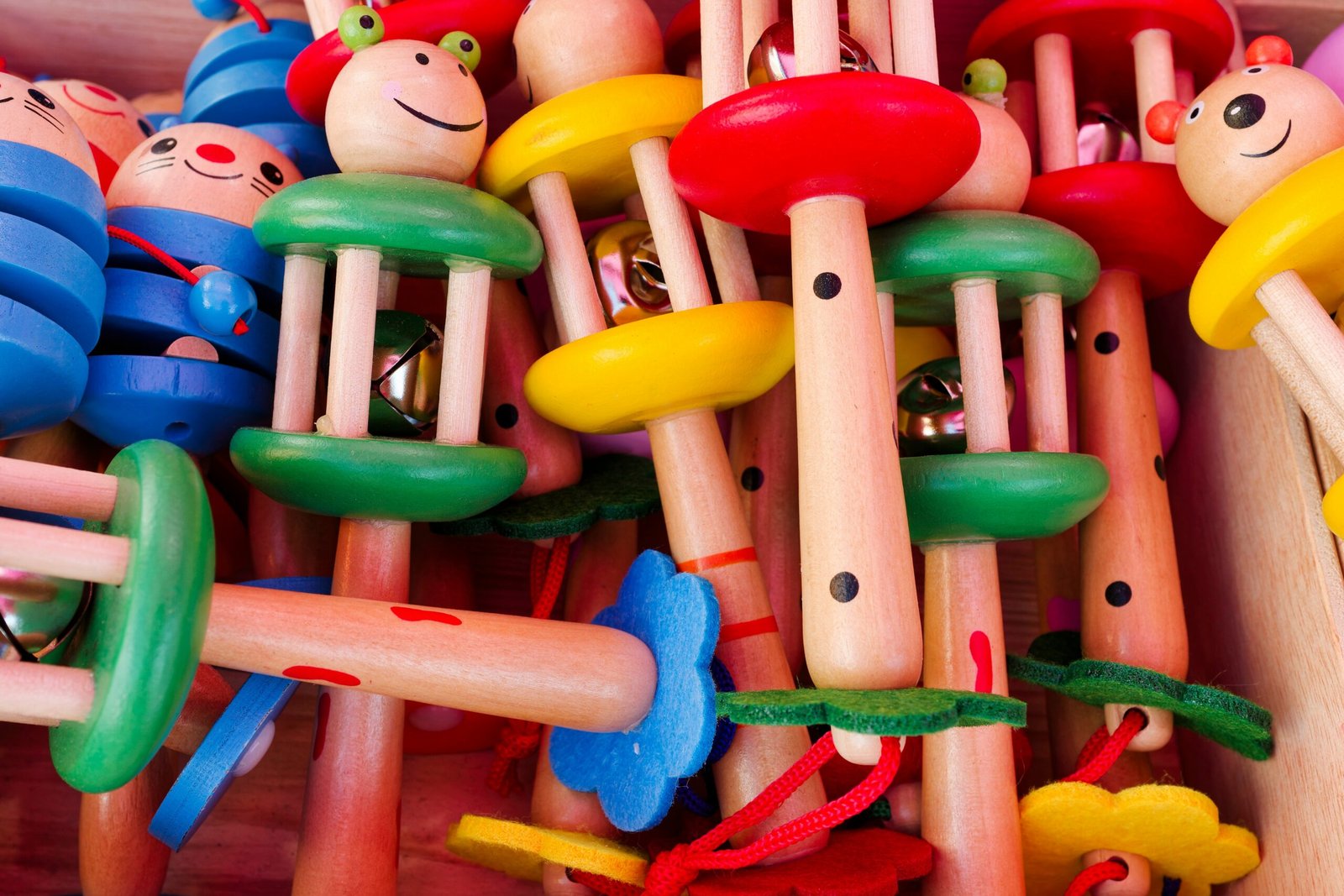
Heavy metals, such as lead, cadmium, and mercury, are often used in the production of toys, particularly in paints, coatings, and certain types of plastics. Exposure to these elements can lead to neurological damage, developmental delays, and other serious health issues. For instance, toys that are intended for younger children, such as rattles and teething toys, are often singled out due to their potential to be mouthed and chewed upon.
Phthalates, commonly used to soften plastics, have also garnered attention due to their endocrine-disrupting properties. These compounds can interfere with hormone function, possibly leading to reproductive and developmental issues. Items such as soft toys, plastic dolls, and inflatable toys often contain phthalates, raising concerns for parents and caregivers about just how safe these products are for daily use.
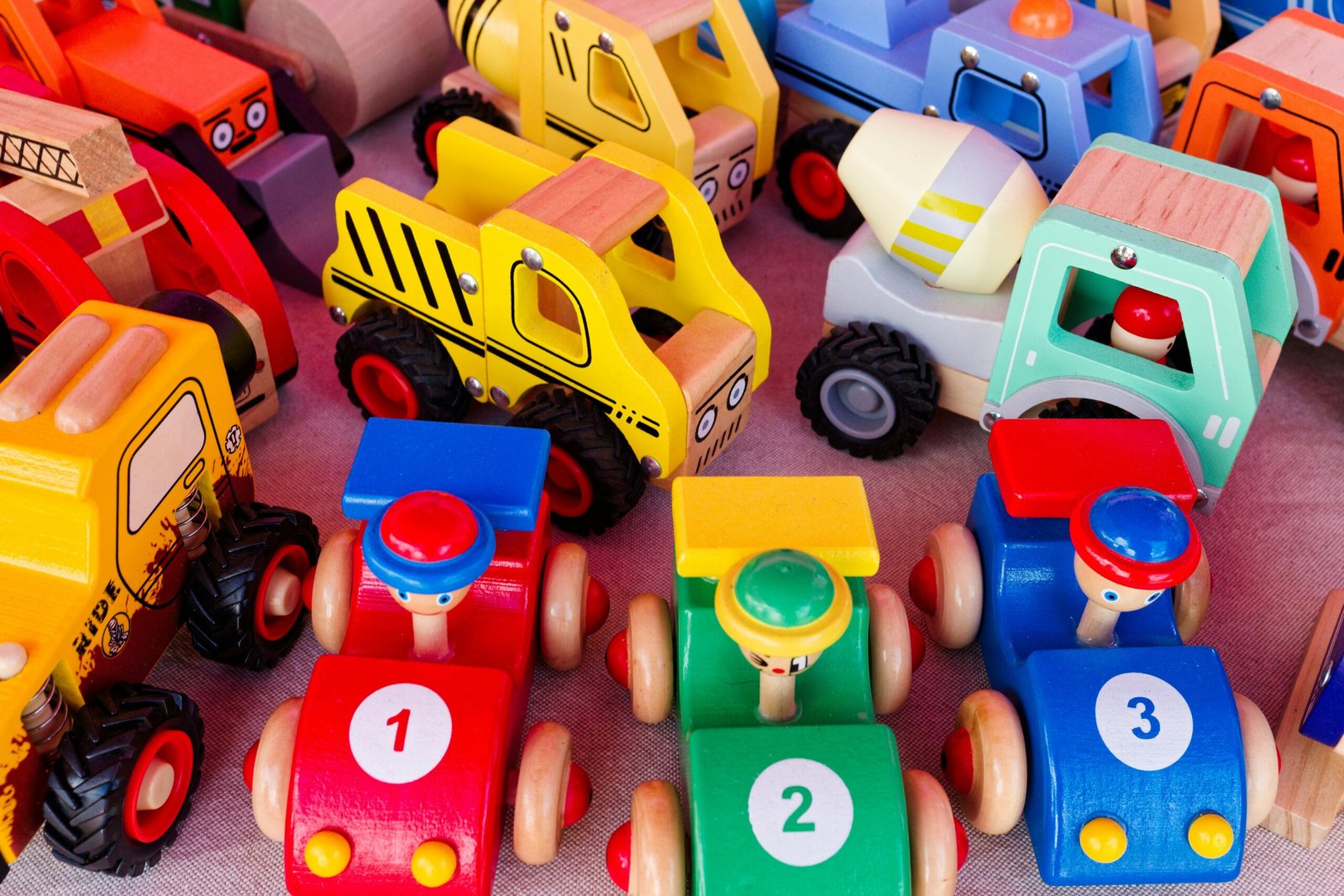
Formaldehyde is another hazardous material that can be found in children’s toys, particularly in those made of wood or processed materials. Its presence in adhesive products and finishes may release harmful vapors, leading to respiratory problems and irritation. As such, wooden toys, including puzzles and building blocks, are not exempt from toxicity concerns.
Understanding these potential risks is crucial for parents and caregivers seeking to make informed choices. Awareness of toxic materials can guide purchasing decisions and encourage a focus on safe alternatives, ultimately contributing to the healthy development of children in a safe play environment.
Regulations and Standards for Toy Safety
Toy safety is a significant concern for parents, manufacturers, and regulatory bodies alike. Various organizations have established regulations and standards to ensure that materials used in children’s toys are non-toxic and safe for use. One of the principal organizations in this arena is ASTM International, a globally recognized leader in the development of voluntary consensus standards. ASTM F963 is the specific standard for toy safety, which encompasses requirements for mechanical and physical properties, flammability, and chemical composition, among others.
Another critical entity is the Consumer Product Safety Commission (CPSC), an independent agency of the U.S. federal government. The CPSC oversees the enforcement of toy safety standards, ensuring that all toys marketed in the United States adhere to stringent safety regulations. This includes regulations regarding hazardous substances, which mandate that toys do not contain toxic elements such as lead, phthalates, or any other harmful chemicals that could jeopardize children’s health.
Overall, these regulations play a vital role in protecting children from unsafe materials. They compel toy manufacturers to conduct thorough testing and certification processes before products reach the marketplace. In recent years, there have been significant updates to existing regulations to further enhance the safety of toys. Increased scrutiny on imported goods and the implementation of stricter testing protocols for both domestic and international products are examples of steps taken to curb potential safety hazards.
Despite these advancements, challenges remain in the enforcement of toy safety standards. Regulatory bodies must combat issues such as counterfeit toys and products that may slip through the cracks in online marketplaces. Continuous oversight and adaptation of regulations are crucial to ensuring that children are protected from harmful materials in their toys, thereby supporting their health and well-being.
Benefits of Non-Toxic Toys
The selection of non-toxic materials in children’s toys presents numerous advantages that extend beyond mere safety. First and foremost, safe toys significantly contribute to a healthy play environment. Children are prone to oral exploration as they interact with their toys, making it essential that these items do not contain harmful chemicals or toxins. Non-toxic toys mitigate the risk of exposure to substances such as lead, phthalates, and BPA, which have been linked to various health issues, including developmental delays and hormonal imbalances. By choosing these types of toys, parents affirm their commitment to safeguarding their children’s health.
Moreover, non-toxic toys enhance children’s learning experiences. These products often focus on quality over flashy designs and rely on robust, natural materials that stimulate creative play. Research indicates that children learn best when they engage with their environment without the distraction of harmful chemicals. Non-toxic toys made from wood, organic cotton, or other safe materials can foster imaginative play and problem-solving skills. Consequently, promoting sensory development and cognitive growth is more attainable when children play with safe toys that encourage exploration without the added worry of toxicity.
Furthermore, the significance of brands and manufacturers that prioritize safety cannot be overstated. As awareness around toy safety increases, many companies are adopting non-toxic standards to cater to health-conscious consumers. By supporting brands dedicated to responsible sourcing and non-toxic materials, parents contribute to the creation of a trustworthy market. This not only influences consumer choices but also pressures other manufacturers to follow suit, leading to a collective improvement in the quality and safety of children’s toys. In this way, promoting non-toxic toys establishes an environment where both children can thrive safely and parents can have peace of mind.
Choosing Safe Toys: A Guide for Parents
As parents, selecting safe toys for children is crucial for their well-being and development. When considering which toys to buy, it is essential to carefully examine product labels. Look for safety certifications such as ASTM, EN71, or ISO, which indicate that the toy meets rigorous safety standards. Additionally, check for the age recommendations on toys, as they provide insight into the toy’s suitability for specific developmental stages.
Researching brands is another vital step in ensuring the safety of children’s toys. Many reliable companies openly share their safety practices and provide detailed information about material sourcing. Before making a purchase, parents can review customer feedback and third-party safety tests published online. Various consumer advocacy organizations publish lists of safe brands, making it easier for parents to identify manufacturers that prioritize non-toxic materials.
Moreover, it is important to be aware of materials to avoid when choosing toys. For instance, steer clear of products made with PVC (polyvinyl chloride) plastics, lead-based paints, and phthalates, which can pose health risks to children. Instead, opt for toys constructed from natural materials such as wood, organic cotton, or BPA-free plastics. These materials are not only safer but often more durable and sustainable, creating an eco-friendly toy option.
Parents can also play an active role in advocating for safe toys. Joining community groups focused on children’s health and safety can amplify the demand for non-toxic products. By supporting companies that commit to using safe materials, parents contribute to a market that encourages manufacturers to prioritize child safety. Participating in campaigns or petitions aiming for stricter regulations on toy safety can further elevate the conversation around safe materials in children’s toys. Together, these actions can lead to better safety standards in the toy industry.