The Rise of Sustainable Toys
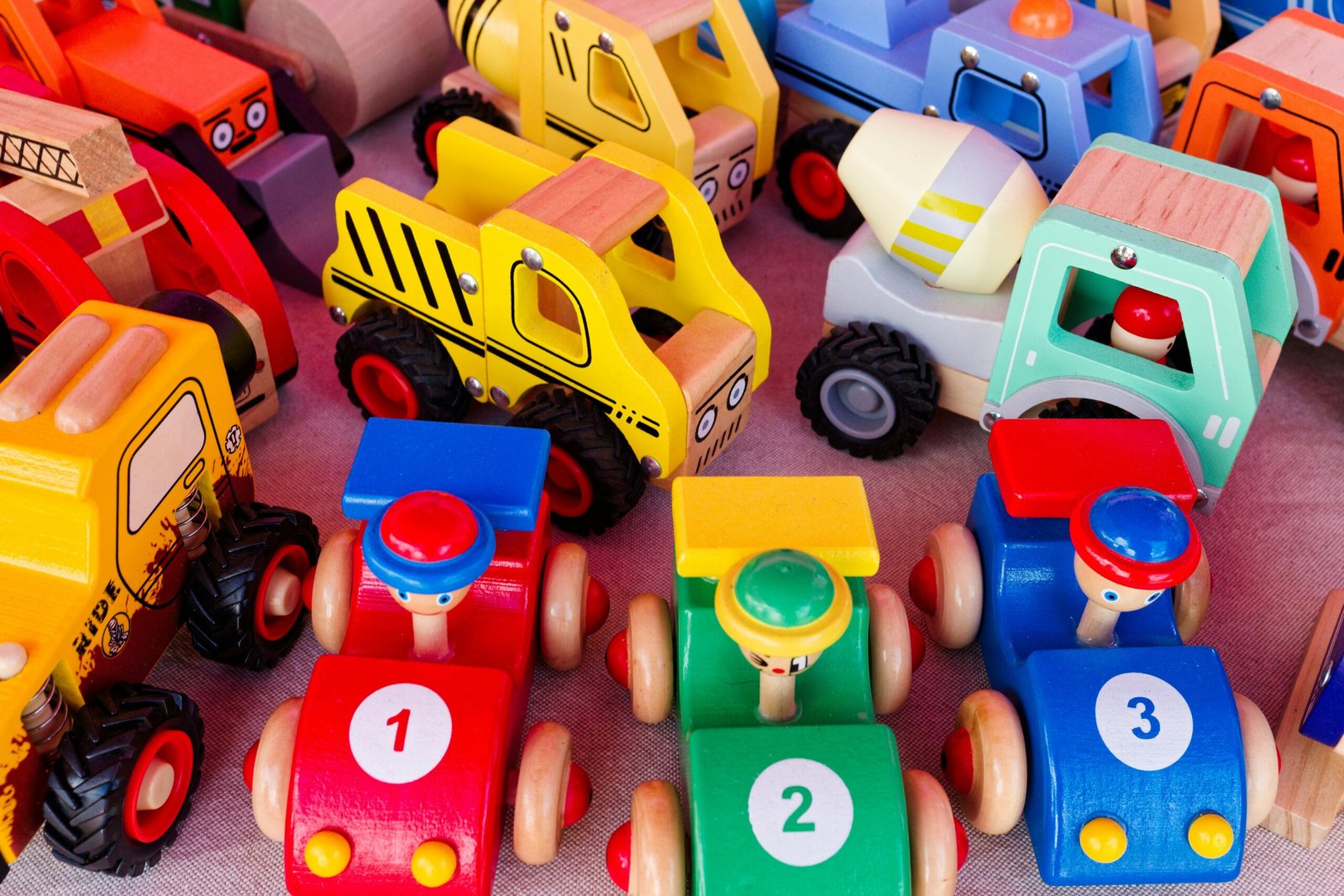
The concept of sustainable toys has gained substantial traction in recent years, reflecting a broader shift towards environmentally friendly products across various consumer sectors. Sustainable toys are characterized by their production methods, materials, and lifecycle impact on the environment. Typically, these toys are crafted from renewable, biodegradable, or recycled materials, minimizing their ecological footprint. For example, wood sourced from sustainably managed forests or organic cotton is often utilized in eco-friendly toy manufacturing. The avoidance of toxic chemicals in production further enhances the safety and sustainability of these products.
Historically, consumer awareness regarding the environmental impact of everyday products has evolved significantly. In the past, toys were often crafted from plastic and synthetic materials, with little consideration for environmental implications. However, incidents involving harmful chemicals in toys stirred public concern and led to increased scrutiny of toy safety and sustainability. This resulted in a shift in consumer preferences, where parents became more discerning about the products they purchase for their children. As a consequence, brands began prioritizing sustainable practices in response to a growing demand for transparency and eco-consciousness.
As the movement towards sustainability gathers momentum, the toy industry has witnessed a surge in eco-friendly offerings. Several companies have reimagined traditional toys by adopting sustainable designs that are appealing to both children and parents. The incorporation of educational elements within these toys further supports the development of eco-awareness in children from an early age. As consumers increasingly favor products that align with their values, the sustainable toy market is expected to continue its growth, influencing manufacturers to innovate and maintain responsible production practices.
Benefits for the Environment
Choosing sustainable toys provides numerous environmental benefits that contribute to the preservation of our planet. One of the most significant advantages is the reduction of plastic waste. Traditional toys are often made from non-biodegradable plastics that contribute to the growing problem of pollution. In contrast, sustainable toys are crafted from materials that either decompose over time or can be reused, thus decreasing the amount of plastic that ends up in landfills and oceans.
Another vital aspect is the lower carbon footprint associated with the production and distribution of eco-friendly toys. Sustainable brands often prioritize local manufacturing and ethical sourcing of materials, which minimizes the transportation emissions that typically come with toys manufactured in distant locations. By supporting companies that focus on sustainability, consumers can help reduce greenhouse gas emissions and promote a more eco-conscious industry.
The use of natural and biodegradable materials in sustainable toys plays an essential role in protecting the environment. Materials such as wood from responsibly managed forests, organic cotton, and recycled metals lessen the depletion of valuable resources and the impact on ecosystems. These renewable materials not only reduce the demand for new raw materials but also foster biodiversity, as they can often be sourced without harming wildlife habitats.
Furthermore, sustainable toys contribute to the concept of a circular economy. This economic model emphasizes recycling and reusing resources to extend their life cycle, thus minimizing waste. Children who engage with sustainable toys can learn the importance of environmental stewardship and resource conservation, paving the way for a generation that values ecological balance. As awareness grows, choosing eco-friendly toys becomes a proactive step in leading to a healthier planet for all.
Benefits for Children
Sustainable toys offer a multitude of benefits that can significantly enhance children’s development. One of the most pertinent advantages is safety. Unlike conventional toys that may contain harmful chemicals and toxins, eco-friendly options are typically made from non-toxic materials. These sustainable toys are crafted from natural substances such as wood, organic cotton, or bamboo, ensuring that children can explore and play without the risk of exposure to harmful elements. This focus on safety helps parents feel more secure about their children’s choice of play materials and reduces health risks associated with traditional toys.
Additionally, sustainable toys often carry substantial educational value. By incorporating natural materials, these toys inspire creativity and imagination in children. For example, wooden blocks can serve as a versatile medium for building structures, allowing children to engage both cognitively and physically. This encourages problem-solving skills and spatial awareness while promoting independent play. Sustainability-oriented toys can also include elements that teach about nature and the environment, fostering an appreciation for the world around them.
Furthermore, some sustainable toy brands actively focus on promoting environmental awareness among young children. By introducing eco-friendly toys, parents instill values of sustainability and respect for nature from an early age. Engaging with these toys allows children to grasp the concept of reducing waste and conserving resources, ultimately shaping them into environmentally conscious individuals. Playtime with sustainable toys not only captures their imagination but also informs them about their role within the ecosystem. Through this experiential learning, children develop a sense of responsibility towards their environment, creating a foundation for a green mindset as they grow.
How to Choose Eco-Friendly Toys
When selecting eco-friendly toys for children, it is essential to prioritize sustainability and safety. Parents should begin by examining the labels and certifications of toys. Look for trusted certifications, such as the Forest Stewardship Council (FSC) or the Global Organic Textile Standard (GOTS), which indicate that the toys are made from responsibly sourced materials and adhere to strict environmental standards. Products with safety certifications, like ASTM and EN71, can provide additional assurance that the toys are safe for children.
Understanding the materials used in toys is crucial. Opt for items made from natural materials such as organic cotton, wood, or recycled plastic, which are more sustainable than conventional plastics. Avoid toys containing harmful substances like phthalates or heavy metals; reading ingredient lists can be essential in this regard. Additionally, avoid plastic that is not labeled as “BPA-free” or “non-toxic,” as these products can pose health risks.
Another practical tip is to support brands that prioritize sustainability. Research companies that have transparent practices regarding their manufacturing processes and material sourcing. Many eco-conscious brands are dedicated to reducing their carbon footprint and preserving the environment while producing quality toys. Furthermore, seeking out locally made products can also contribute positively to the community and minimize transportation emissions.
In terms of eco-friendly toy options, parents can consider wooden blocks, puzzles made from recycled paper, or stuffed animals crafted from organic materials. Additionally, many brands offer toys that promote creativity, such as art supplies made from non-toxic materials or DIY kits that encourage recycling and upcycling. By making informed choices, parents can align their purchases with their values, ensuring that they select toys that are safe for their children and kind to the planet.