Understanding Child Development Stages
Child development is a complex process that encompasses various milestones across multiple domains, including cognitive, physical, emotional, and social aspects. Understanding these stages is crucial for parents when selecting age-appropriate toys that nurture their child’s growth and learning experiences. Infancy, typically categorized from birth to around 12 months, is marked by rapid physical and cognitive development. During this period, infants develop motor skills and begin to explore their environment through their senses. Toys that promote sensory engagement, such as rattles or soft plush toys, are particularly beneficial during this stage, as they stimulate auditory and tactile exploration.
As children progress into toddlerhood, roughly ages 1 to 3, they become more mobile and curious. This stage is characterized by the development of gross and fine motor skills. Toys such as building blocks or simple puzzles can significantly enhance their burgeoning problem-solving abilities and coordination. Furthermore, imaginative play emerges as toddlers start to mimic the behaviors of those around them. Incorporating toys that encourage role play, such as toy kitchens or tool sets, allows toddlers to explore their surroundings and develop social skills through imaginative scenarios.
From ages 3 to 5, known as the preschool years, children experience considerable growth in cognitive skills, allowing for more complex problem-solving and creative thinking. During this time, social interactions become increasingly important, as children enjoy cooperative play. Selecting toys like board games or arts and crafts sets not only fosters creativity but also encourages collaboration and shared experiences with peers. Understanding these developmental stages equips parents with the knowledge required to choose toys that are not just fun, but instrumental in their child’s holistic development, ensuring that playtime is optimally beneficial and aligned with their growth milestones.
The Importance of Age-Appropriate Toys
Choosing toys that are age-appropriate for children is crucial for promoting their development and well-being. Toys that align with a child’s cognitive and physical abilities can significantly enhance learning experiences. For instance, younger children benefit from simple, colorful toys that stimulate sensory exploration, while older children require more complex toys that can encourage critical thinking and problem-solving skills. Hence, selecting toys that correspond to a child’s developmental stage ensures that the play experience is both educational and enjoyable.
Age-appropriate toys not only foster creativity but also assist in building essential skills. When children engage with toys suited to their age, they are more likely to explore and experiment, leading to imaginative play. This form of play is vital, as it stimulates emotional, social, and cognitive development. For example, toys such as building blocks support fine motor skills and spatial awareness while encouraging teamwork and communication among peers.
On the contrary, offering children toys that are not suitable for their age can lead to frustration and disengagement. For younger children, complex toys can pose risks of accidents or injury, while older children may find toys meant for younger ages unchallenging and dull. This mismatch not only hampers their ability to learn effectively but could also lead to negative experiences around playtime. Therefore, parents and caregivers must be vigilant in their choices to foster a safe and engaging environment that promotes growth through play.
In conclusion, the selection of age-appropriate toys plays a pivotal role in a child’s developmental journey. By ensuring that toys match a child’s physical and cognitive abilities, caregivers can enhance learning, creativity, and overall enjoyment while minimizing risks associated with unsuitable toys. This careful consideration ultimately fosters a constructive play environment where children can thrive.
Types of Toys for Different Age Ranges
When selecting toys for your child, understanding the various types suitable for different age ranges is crucial. From infants to preschoolers, toys play a significant role in fostering development across several domains, including motor skills, language acquisition, and imaginative play.
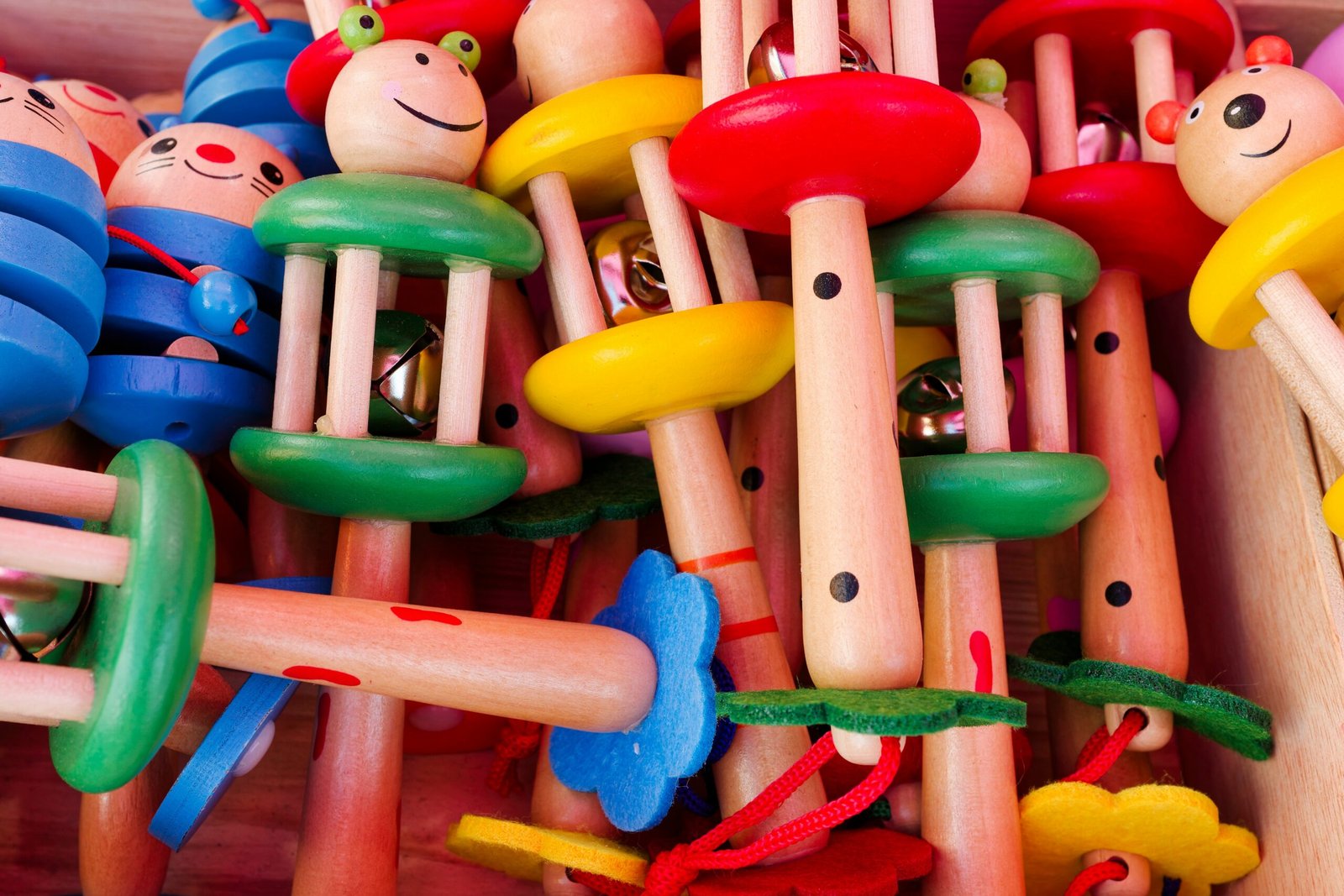
For infants aged 0-12 months, sensory toys are particularly beneficial. These toys, such as soft rattles and textured blocks, stimulate a baby’s senses and support their motor skills as they reach and grasp. A play gym can enhance tummy time and encourage movement, promoting physical development. Board books with bright images also introduce early language concepts, fostering a love for reading from a young age.
As children transition to toddlers (1-2 years), toys that encourage exploration and fine motor development become important. Shape sorters and stacking toys help with hand-eye coordination and problem-solving skills. Push and pull toys can also encourage walking and provide stability. Simple art supplies like crayons can facilitate creative expression and language development as children begin to narrate their artwork.
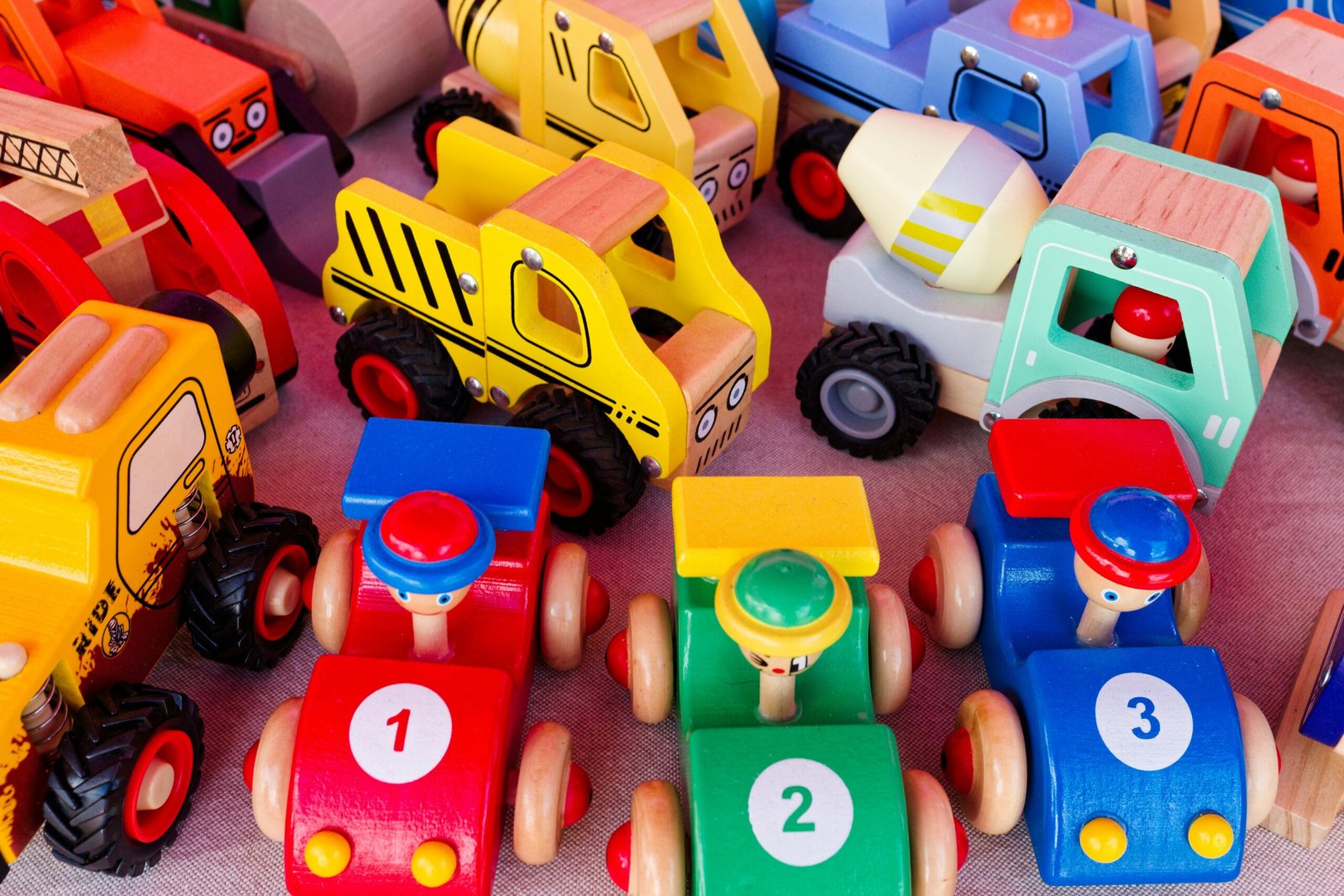
For preschoolers aged 3-5 years, the emphasis shifts towards imaginative play and social interaction. Toys such as play kitchens, dress-up clothes, and building sets enhance creativity while allowing children to engage in role-playing scenarios. Puzzles and games promote cognitive skills and cooperation among peers. Additionally, active play toys, like tricycles and outdoor climbing structures, support physical fitness while enhancing gross motor skills.
Both active and quiet play have unique advantages. Active toys, such as sports equipment, nurture physical health and coordination, while quiet toys, including books and puzzles, develop concentration and cognitive abilities. By understanding the right types of toys for each age range, caregivers can foster balanced skill development essential for their child’s growth.
Tips for Selecting the Right Toys
When it comes to choosing toys for children, several factors should be taken into careful consideration to ensure that the selected items are not only enjoyable but also safe and beneficial for their development. Safety is paramount; always check for toys that are labeled as non-toxic and age-appropriate. Small parts can pose choking hazards, particularly for younger children, so selecting toys that suit your child’s developmental stage is essential.
In addition to safety, durability is another important aspect to evaluate. Toys that are well-constructed are likely to withstand the rigors of playtime, reducing the need for replacements and saving money in the long run. Opt for toys made from high-quality materials that can endure frequent use, as well as the potential for rough handling. Parents should also consider the educational value of toys. Engaging, educational toys can stimulate curiosity and foster skills such as problem-solving and creativity. Look for items that encourage imaginative play and can adapt as your child grows, providing multi-faceted learning opportunities.
Engaging children in the toy selection process can be an enriching experience. Consider involving them in discussions regarding their preferences and interests. This could include observing which toys fascinate them at friends’ houses or during outings in stores. Giving children a say in their toy choices can increase their investment in play and promote a sense of responsibility toward their belongings. Additionally, as children develop, their interests and skills will evolve; therefore, it is advisable for parents to periodically reassess their toy collection. Regular evaluations will ensure that toys remain relevant to your child’s changing needs and will help reduce clutter by removing outdated or seldom-used items.